

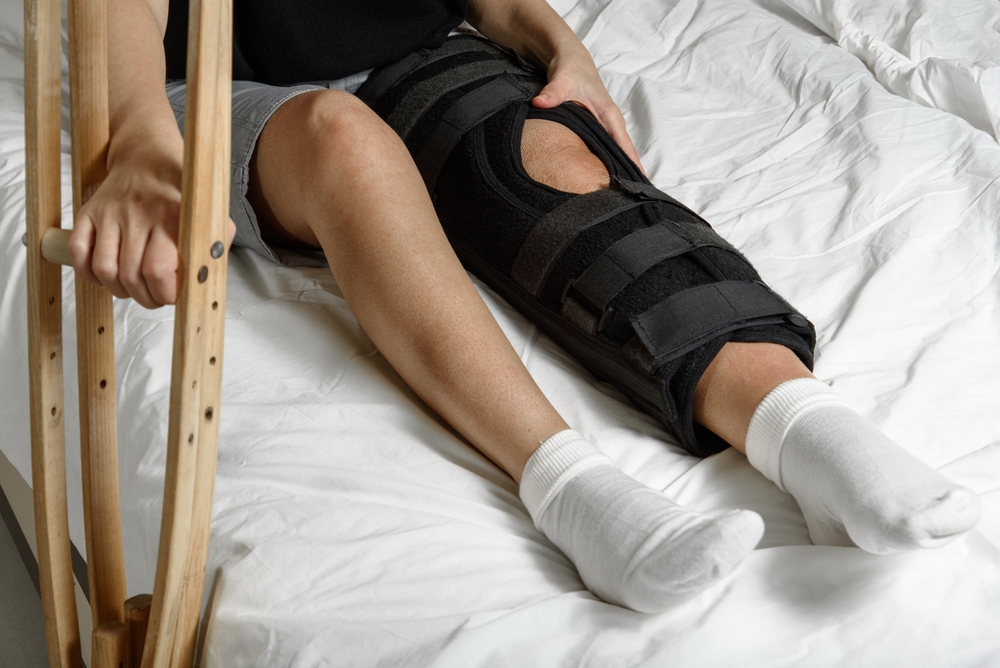
Recovering from surgery or an injury can make everyday activities more challenging, especially when walking, climbing stairs, or moving around the house becomes difficult. For residents of Binghamton, NY, factors such as winter weather, older homes, and uneven sidewalks can add to those challenges. Choosing the right mobility equipment can help make recovery safer, more comfortable, and more manageable.
The best mobility equipment depends on your injury or procedure, how much weight you can safely place on your legs, your balance, and your home environment. Walkers, rollators, crutches, canes, wheelchairs, and other mobility aids serve different purposes. Before selecting equipment, follow your healthcare provider’s instructions and consider whether you need temporary assistance or longer-term support.
What Binghamton Residents Should Know About Mobility Equipment
-
Your recovery instructions come first. Your surgeon or physical therapist should determine whether you can bear weight on an injured or operated leg.
-
Home layouts affect equipment choices. Older homes in Binghamton and nearby Johnson City may have narrow hallways, steep staircases, or limited space for larger mobility devices.
-
Southern Tier winters create additional hazards. Snow, ice, slush, and wet entryways can make walking with mobility equipment more difficult.
-
Different mobility aids provide different levels of support. A cane may help with mild balance difficulties, while a walker or wheelchair may be necessary when greater assistance is required.
-
Proper equipment fitting matters. Incorrect height, poor positioning, or unsuitable equipment can increase discomfort and fall risk.
At Penn York Medical, we understand that selecting mobility equipment involves more than choosing a product. It means finding an option that supports your recovery instructions, fits your surroundings, and helps you navigate daily activities with greater confidence.
Understanding Mobility Needs During Recovery in Binghamton
Understanding your mobility needs after surgery or an injury starts with identifying your weight-bearing restrictions, balance limitations, endurance, and daily activities. In Binghamton, patients should also consider household stairs, bathroom access, outdoor surfaces, and transportation needs before deciding which mobility equipment is appropriate.
A person recovering from knee replacement surgery may have different mobility requirements than someone healing from a broken ankle or hip fracture. Some patients can walk with assistance, while others must temporarily avoid putting weight on one leg.
Your medical team may describe your restrictions as:
-
Non-weight-bearing: You cannot place weight on the affected leg.
-
Partial weight-bearing: You may place only the amount of weight your clinician permits on the affected leg.
-
Weight-bearing as tolerated: You may place weight on the leg within the limits of pain, comfort, and your prescribed recovery plan.
-
Full weight-bearing: You may place your full weight on the leg when your clinician has cleared you to do so.
These distinctions influence which devices are safe to use. Equipment should never be selected solely based on convenience or appearance.
How Mobility Equipment Affects Everyday Life in the Southern Tier
The right mobility equipment can make essential activities such as getting dressed, reaching the bathroom, preparing meals, and attending medical appointments easier during recovery. For Southern Tier residents, the most useful equipment also needs to accommodate local housing layouts and seasonal walking conditions.
Homes near Binghamton’s West Side, South Side, and First Ward vary in age and accessibility. Some have several steps at the entrance, compact bathrooms, or narrow doorways.
Before choosing a device, consider how you will move between your bedroom, bathroom, kitchen, and main entrance.
Outdoor conditions matter as well. During colder months, Broome County residents may encounter icy driveways, snow-covered walkways, and wet floors near building entrances. Even a properly fitted mobility aid requires additional caution on slippery surfaces.
Warning Signs That You May Need More Mobility Support
Warning signs that you may need additional mobility support include difficulty maintaining balance, excessive fatigue while walking, and trouble completing essential activities safely. After surgery or an injury, these problems should prompt a discussion with your healthcare provider about whether your current equipment provides enough assistance.
Watch for these signs:
-
You frequently reach for furniture or walls to maintain balance.
-
Walking short distances causes significant fatigue or instability.
-
You struggle to stand up from a chair or toilet.
-
You cannot safely maintain your prescribed weight-bearing restrictions.
-
Your current cane, walker, or crutches cause wrist, shoulder, or back discomfort.
-
You have difficulty entering or leaving your home.
-
You have experienced a fall or repeated near-falls.
-
Your mobility device feels unstable or does not fit your body properly.
New weakness, sudden loss of balance, chest pain, severe shortness of breath, or other acute symptoms require prompt medical attention rather than simply changing equipment.
When to Consult a Healthcare Professional About Mobility Equipment
You should consult a healthcare professional before selecting mobility equipment when recovering from surgery, managing a fracture, or following weight-bearing restrictions. A surgeon, physical therapist, or occupational therapist can assess your strength, balance, walking ability, and home environment to recommend an appropriate device.
For Binghamton residents preparing to return home after hospitalization or rehabilitation, it helps to ask about equipment before discharge.
Discuss whether you need help with stairs, whether your device should be used indoors or outdoors, and when your mobility needs should be reassessed.
You should also request professional guidance if your current equipment causes pain, feels unstable, or makes it difficult to follow your recovery plan.
Common Reasons Patients Need Different Mobility Aids
Patients need different mobility aids because injuries, surgical procedures, balance limitations, and recovery restrictions affect movement in different ways. In the Greater Binghamton area, the right choice also depends on whether the equipment will be used in a single-level apartment, multistory home, or outdoor setting.
Common situations include:
Joint replacement recovery: Patients recovering from hip or knee replacement surgery may temporarily need a walker or another device recommended by their rehabilitation team.
Foot or ankle injuries: Fractures and certain surgical procedures may require crutches, a walker, or a wheelchair, depending on weight-bearing restrictions.
Balance or strength limitations: A cane or walker may provide support for patients experiencing instability or reduced lower-body strength.
Limited walking endurance: Some patients can walk short distances but need a wheelchair for longer outings or medical appointments.
Upper-body limitations: Wrist, shoulder, or arm injuries may make traditional crutches unsuitable, requiring an alternative selected with professional guidance.
How to Maintain Mobility Equipment During Recovery
Maintaining mobility equipment involves checking its stability, keeping contact surfaces in good condition, and ensuring that adjustments remain secure. For patients in Binghamton, routine checks are particularly useful during fall and winter, when moisture, road salt, and debris can affect equipment used outdoors.
A simple maintenance routine includes:
-
Inspect rubber tips and walker feet for wear.
-
Check wheelchair tires, brakes, and footrests according to the manufacturer’s instructions.
-
Make sure adjustable legs and locking mechanisms are secure.
-
Remove dirt, moisture, and road salt after outdoor use.
-
Keep walking paths clear of loose rugs, cords, and clutter.
-
Report unusual movement, damaged parts, or instability before using the device again.
Avoid modifying mobility equipment or replacing safety-related components with incompatible parts. Follow the manufacturer’s guidance and seek qualified assistance when repairs are needed.
What to Expect From Properly Selected Mobility Equipment
Properly selected mobility equipment should support safer movement, help you follow your prescribed restrictions, and make essential daily activities more manageable. It cannot guarantee that falls will be prevented or that recovery will happen faster, but it can provide useful support when fitted and used correctly.
For someone returning home to Endicott, Vestal, or Binghamton after surgery, improvements may include greater stability while walking indoors, easier transfers, and less reliance on furniture for balance.
A physical therapist may also teach safe techniques for turning, sitting, standing, and navigating obstacles.
As recovery progresses, your equipment needs may change. Some patients transition from a walker to a cane, while others require support for a longer period. These transitions should follow clinical guidance rather than a fixed timetable.
Common Mistakes When Choosing Mobility Equipment
The most common mobility equipment mistakes involve choosing a device without considering medical restrictions, fit, home accessibility, or safe operation. Avoiding these mistakes can reduce unnecessary discomfort and help Binghamton-area patients use their equipment more effectively.
Mistake 1: Choosing a cane when more support is needed.
Consequence: A cane may not provide sufficient stability or support for certain weight-bearing restrictions.
Better approach: Have your healthcare provider assess whether a walker, crutches, or another device is appropriate.
Mistake 2: Assuming a rollator is interchangeable with a standard walker.
Consequence: A wheeled rollator may be unsuitable for patients who must keep weight off an injured leg.
Better approach: Confirm that the device matches your prescribed restrictions and balance needs.
Mistake 3: Ignoring doorways and stairs.
Consequence: Equipment may be difficult or unsafe to use in narrow rooms or multilevel homes.
Better approach: Measure important spaces and discuss stair access before obtaining equipment.
Mistake 4: Using improperly adjusted equipment.
Consequence: Poor fit can contribute to awkward posture, discomfort, and instability.
Better approach: Request professional fitting and instruction.
Common Local Scenario: Returning Home After Knee Surgery
A common recovery scenario in Broome County involves a patient returning to a multistory home after knee surgery. The patient may be able to walk short distances with a prescribed walker but still have difficulty navigating stairs, entering the bathroom, or reaching the front door.
In a neighborhood such as Binghamton’s West Side, a home may have steps at the entrance and bedrooms on an upper floor.
Before discharge, the patient and care team can discuss whether temporary changes to sleeping arrangements, bathroom equipment, or assistance with stairs are necessary.
The goal is not simply to obtain a walker. It is to establish a practical plan for moving safely through the home while following recovery instructions.
Mobility Equipment Options for Surgery and Injury Recovery
The main mobility equipment options include canes, walkers, rollators, crutches, wheelchairs, and selected bathroom safety aids. Each serves a different purpose, and the most suitable choice depends on the patient’s clinical restrictions, physical abilities, and everyday environment.
Canes
Canes may provide limited support for patients who can bear weight but need assistance with balance. They are generally not appropriate as the sole support for someone who must keep all weight off one leg.
Standard and Front-Wheeled Walkers
Walkers provide a broader base of support than a cane. Standard walkers and front-wheeled walkers have different handling characteristics, making professional instruction important.
Rollators
Rollators typically have wheels, brakes, and sometimes a seat. They can be useful for certain patients with endurance or balance limitations, but they are not appropriate for every postoperative restriction.
Crutches
Crutches may help patients maintain prescribed weight-bearing restrictions when they have sufficient balance, coordination, and upper-body strength.
Wheelchairs
Wheelchairs can provide mobility when walking is unsafe, impractical, or too tiring. Doorway clearance, seating needs, transfers, and transportation should be considered.
Bathroom Safety Equipment
Shower chairs, transfer benches, raised toilet seats, and grab bars may help address specific bathroom accessibility challenges when properly selected and installed.
At Penn York Medical, we encourage patients and caregivers to consider their full recovery environment rather than focusing on a single piece of equipment.
Comparing Mobility Equipment Options
Comparing mobility equipment means evaluating the level of support, physical effort, and environment each device requires. Patients recovering in the Binghamton area should use these differences as a starting point for discussions with their healthcare team, not as a substitute for an individualized assessment.
| Equipment | Common Use | Important Consideration |
|---|---|---|
| Cane | Mild balance support | Requires adequate weight-bearing ability |
| Standard walker | Greater walking stability | Must be lifted or repositioned |
| Front-wheeled walker | Supported walking | Requires appropriate control and technique |
| Rollator | Mobility with endurance limitations | May be unsuitable for significant weight-bearing restrictions |
| Crutches | Selected lower-limb injuries | Require balance and upper-body strength |
| Wheelchair | Limited or unsafe walking | Requires appropriate fit and accessible routes |
The most advanced or expensive device is not automatically the best choice. Safety, fit, and medical suitability should guide the decision.
Mobility Equipment Considerations Across Greater Binghamton
Mobility equipment needs vary across Binghamton, Johnson City, Vestal, Endicott, and other Broome County communities because homes, walking surfaces, and daily travel routines differ. Residents should evaluate their own property and transportation needs before deciding which equipment will be practical during recovery.
Patients in nearby communities such as Endwell and Chenango Bridge should also consider the distance between parking areas, building entrances, and frequently used rooms.
The Cost of Choosing Inappropriate Mobility Equipment
Choosing inappropriate mobility equipment can create avoidable discomfort, difficulty completing daily activities, and additional fall hazards. Delaying an equipment assessment may also make it harder for recovering patients to follow their prescribed movement restrictions.
A device that is too wide for a doorway, too difficult to control, or unsuitable for the patient’s physical abilities may become an obstacle instead of a helpful recovery tool.
Planning before discharge or before returning to regular activities can help identify these problems early.
Frequently Asked Questions About Mobility Equipment in Binghamton, NY
1. What mobility equipment is best after knee replacement surgery in Binghamton?
A walker is commonly recommended during early recovery after knee replacement surgery, but the appropriate device depends on your surgeon’s instructions and physical therapist’s assessment. Some patients eventually transition to a cane. Your balance, strength, home layout, and ability to follow weight-bearing instructions should determine when a change is appropriate.
2. Should I choose a walker or rollator after surgery?
A walker or rollator should be chosen based on your weight-bearing restrictions and stability needs. Standard or front-wheeled walkers are often used during postoperative rehabilitation, while rollators may suit selected patients who can safely control a wheeled device. A rollator should not replace a prescribed walker without clinical approval.
3. How do I choose mobility equipment for an older Binghamton home?
Choose mobility equipment for an older Binghamton home by measuring doorways, checking hallway clearance, evaluating bathroom access, and identifying stairs. Consider where you will sleep and spend most of your recovery time. A physical or occupational therapist can help identify accessibility barriers and recommend appropriate equipment or home modifications.
4. Can I use a walker outdoors during a Southern Tier winter?
A walker may be used outdoors when conditions and your abilities permit, but snow, ice, and slush can make movement hazardous. Keep walking surfaces cleared and treated, inspect walker tips or wheels, and avoid slippery routes. When conditions are unsafe, arrange assistance or alternative transportation rather than taking unnecessary risks.
5. How long will I need mobility equipment after an injury?
The length of time you need mobility equipment depends on your injury, treatment, recovery progress, and healthcare provider’s instructions. Some patients need assistance for several weeks, while others require longer-term support. Do not stop using a prescribed device simply because walking feels easier. Ask your rehabilitation team when it is safe to transition.
6. What should Broome County residents consider before getting a wheelchair?
Broome County residents should consider wheelchair width, seating support, transfer ability, home accessibility, transportation, and whether someone will assist with movement. Manual and powered wheelchairs have different requirements. A clinical assessment can help determine the appropriate configuration, particularly when the wheelchair will be used for extended periods.
7. Can mobility equipment help me stay independent during recovery?
Appropriate mobility equipment can help you perform certain daily activities with less physical assistance while following your medical restrictions. However, some activities may still require caregiver support, particularly bathing, navigating stairs, or moving over uneven ground. Independence should be balanced with safety and the recommendations of your healthcare team.
8. Where should I start when looking for mobility equipment in Binghamton, NY?
Start by asking your surgeon, physical therapist, or occupational therapist which mobility device is appropriate for your condition. Then consider fit, home accessibility, and equipment features. You can contact Penn York Medical to inquire about available mobility equipment options and discuss the information you received from your healthcare team.
Take the Next Step Toward Safer Mobility During Recovery
Choosing mobility equipment after surgery or an injury involves matching your medical needs with the realities of your home and daily routine. For residents of Binghamton and surrounding Southern Tier communities, thoughtful equipment selection can make recovery activities more manageable, particularly when stairs, limited space, or winter conditions present additional challenges.
At Penn York Medical, we believe informed decisions begin with understanding your options and following the guidance of your healthcare professionals.
Find Mobility Equipment That Supports Your Recovery in Binghamton, NY
Whether you are preparing for surgery or adjusting to life after an injury, our team can help you explore mobility equipment options suited to your needs.