

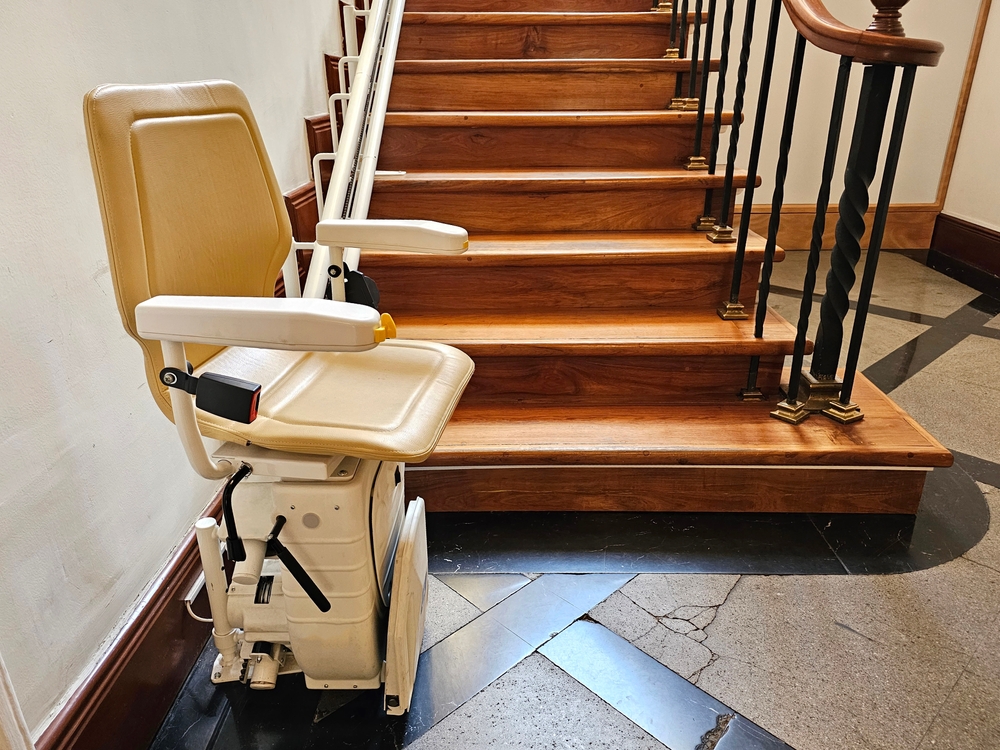
Getting up from a favorite chair can become more difficult over time, especially for older adults and people dealing with limited mobility. For residents of Binghamton and surrounding Southern Tier communities, a lift chair can make everyday transitions from sitting to standing more manageable while providing a comfortable place to relax at home.
A lift chair may be worth considering when standing from a seated position has become difficult, uncomfortable, or dependent on help from another person. Unlike a standard recliner, a lift chair uses a powered mechanism to raise and tilt the seat, helping the user transition toward a standing position. Recognizing changes in mobility early can help families evaluate whether this type of seating makes sense for their home.
What local readers should know
-
Difficulty repeatedly getting out of a standard chair can be a practical reason to explore lift chair options.
-
A lift chair may help reduce the physical effort involved in moving between sitting and standing.
-
Binghamton residents should consider both the user’s mobility needs and the amount of available space when choosing a chair.
-
Families in Broome County may also want to think about where the chair will be positioned and how easily the user can move around it.
-
Different lift chair configurations offer different positioning options, so choosing a model should be based on individual needs rather than appearance alone.
Why Do Lift Chairs Matter for Binghamton Residents?
Lift chairs matter for Binghamton residents because they can make one of the most common movements at home, getting up from a chair, easier to manage. This can be especially valuable when changes in strength, balance, joint movement, or general mobility make a conventional recliner less practical.
Life in the Southern Tier also brings seasonal considerations. Cold and snowy weather can mean spending more time indoors during parts of the year, making comfortable and practical seating especially useful. Whether someone lives near Downtown Binghamton, on the West Side, or elsewhere in Broome County, the right chair should fit both the person and the home.
Penn York Medical helps local residents explore mobility and home medical equipment options. We can help customers consider the features that matter when evaluating a lift chair rather than choosing one based only on how it looks.
What Do We Commonly See When People Begin Considering Lift Chairs?
People commonly begin considering lift chairs when ordinary seated-to-standing movements require noticeably more effort than they once did. This is a practical field observation rather than a claim based on a specific local statistical study.
Sometimes the change is gradual. A person may begin pushing harder on the chair arms, rocking forward before standing, or asking a family member for a hand. In other situations, a change in mobility makes a standard chair suddenly feel much less convenient.
For families across Binghamton, Johnson City, Endicott, and other nearby communities, paying attention to these everyday changes can help identify when it is worth discussing different seating options.
How Can Difficulty Standing Affect Daily Life at Home?
Difficulty standing can affect daily life by turning an ordinary movement into a repeated challenge throughout the day. If someone regularly struggles every time they leave a chair, that difficulty can influence where they sit, how often they get up, and how much assistance they request from family members or caregivers.
The issue can also affect the person helping. Repeatedly pulling or lifting someone from a chair may be physically demanding and is not a substitute for selecting appropriate mobility equipment.
A lift chair does not address every cause of limited mobility, and it should not be treated as medical treatment. It is a piece of equipment designed to assist with positioning and the transition between sitting and standing.
What Are the 5 Warning Signs It May Be Time to Consider a Lift Chair?
The five warning signs that it may be time to consider a lift chair are increasing difficulty standing, heavy reliance on furniture for leverage, frequent need for assistance, discomfort with conventional seating, and avoiding a favorite chair because getting out of it has become too challenging.
1. Getting Up From a Chair Takes Several Attempts
Needing several attempts to stand can be a clear sign that a conventional chair is becoming difficult to use. A person might rock forward repeatedly, reposition their feet several times, or pause halfway through the movement.
If this has become a regular occurrence in a Binghamton home, it may be useful to evaluate seating that provides powered assistance during the transition to standing.
2. You Depend Heavily on the Armrests to Stand
Using armrests is normal, but relying on them heavily every single time can indicate that standing requires more effort than it used to.
Watch for pushing forcefully through both arms, leaning far forward, or gripping nearby furniture for additional leverage. These habits may be worth discussing with an appropriate healthcare professional, particularly when the change is new or unexplained.
3. Someone Else Regularly Has to Help You Up
Regularly needing another person to pull or lift you from a chair is another reason to evaluate your seating setup.
A powered lift mechanism may reduce the amount of physical assistance required for some users. The appropriate solution depends on the person’s abilities, however, so anyone with significant balance or mobility concerns should seek individualized professional guidance.
4. Your Current Chair Is No Longer Comfortable or Practical
A chair that is too low, too deep, or poorly suited to the user’s body can make sitting and standing more difficult. Even a comfortable-looking recliner may not provide the positioning a person needs.
Residents in Binghamton and nearby Vestal should consider seat dimensions, chair positioning, controls, and available room when comparing lift chairs. The goal is to find seating that works practically within everyday routines.
5. You Avoid Sitting Down Because You Worry About Getting Back Up
Avoiding a chair because getting back up feels too difficult is a strong practical signal that the current seating arrangement deserves attention.
People should be able to use the living spaces in their homes comfortably. If a favorite chair has effectively become unusable because of the effort required to stand, exploring an assistive seating option may be worthwhile.
When Should You Talk to a Professional About Difficulty Standing?
You should talk with an appropriate healthcare professional when difficulty standing is new, worsening, unexplained, associated with falls, or accompanied by other health concerns. A lift chair can assist with positioning, but it should not be assumed to address the underlying reason for a mobility change.
For equipment selection, local guidance can also help. We can discuss lift chair features and practical considerations such as positioning, controls, chair size, and the space available in the home.
Families in Broome County should avoid assuming that every lift chair works equally well for every person. Individual mobility needs matter.
What Can Make Standing From a Chair More Difficult?
Standing from a chair can become more difficult for many reasons, including changes in strength or mobility and a chair that is poorly matched to the user’s needs. Because the causes vary by person, unexplained or significant mobility changes should be evaluated by an appropriate healthcare professional.
The chair itself also matters. A low seat can require a larger movement to reach standing. A deep seat may make it harder to position the feet appropriately before rising. Furniture placement can create additional challenges if there is not enough clear space around the chair.
In Southern Tier homes, residents should also think about everyday pathways. The area around a lift chair should remain practical for moving through the room rather than creating a new obstacle.
How Can You Make a Lift Chair Easier to Use at Home?
You can make a lift chair easier to use by choosing an appropriate location, keeping the surrounding pathway clear, and following the manufacturer’s operating and maintenance instructions. The chair also needs adequate room to move through its intended positions without contacting walls, tables, or other furniture.
Before selecting a location, look at how the user normally enters and leaves the room. Keep frequently used items within practical reach without cluttering the area around the chair.
Binghamton winters can also bring wet footwear, snow, and tracked-in moisture. Keeping indoor walking areas clear and dry is a sensible household practice, particularly for someone already experiencing mobility difficulties.
DIY adjustments should stop when they involve changing the chair’s electrical or mechanical components. Follow manufacturer guidance and seek qualified assistance when equipment is not operating properly.
What Should You Expect From a Lift Chair?
You should expect a lift chair to provide powered positioning and assistance with moving toward a standing position, depending on the model selected. It should not be expected to restore strength, treat a medical condition, or eliminate every mobility challenge.
The most useful result is a chair that fits naturally into the user’s daily routine. Controls should be understandable, the chair should fit the available space, and its positioning functions should match the user’s needs.
Trying to identify those requirements before choosing a model can make the selection process more productive.
What Mistakes Should Binghamton Residents Avoid When Choosing a Lift Chair?
Binghamton residents should avoid choosing a lift chair based only on appearance or assuming that every model provides the same positioning and fit. The better approach is to evaluate the user, room, chair dimensions, controls, and desired functions together.
Mistake: Choosing a chair solely because it matches the living room.
Consequence: The chair may look right but provide an unsuitable fit or positioning setup.
Better approach: Consider function and fit first, then appearance.
Mistake: Ignoring available floor space.
Consequence: The chair may not have enough clearance to operate as intended.
Better approach: Check the manufacturer’s space and positioning requirements before deciding where it will go.
Mistake: Assuming a lift chair solves the reason mobility has changed.
Consequence: An underlying health issue could go unaddressed.
Better approach: Discuss new or worsening mobility changes with an appropriate healthcare professional.
What Is a Common Lift Chair Scenario in a Binghamton Home?
A common lift chair scenario involves an older adult who can still move around the home but increasingly struggles to rise from a conventional living room chair. A family member may notice repeated rocking, forceful pushing on the armrests, or requests for help standing.
This is a representative scenario, not a Penn York Medical customer case study.
In this situation, the family might explore whether a powered lift chair could make the seated-to-standing transition more manageable. They would still need to consider the user’s individual abilities, room dimensions, and any guidance provided by healthcare professionals.
What Lift Chair Solutions Are Available?
Lift chair solutions include powered chairs with different positioning capabilities, dimensions, upholstery choices, and control configurations. The appropriate choice depends on the user’s needs and the room where the chair will be used.
We can help local residents understand the practical differences between available options and identify questions worth asking before making a selection.
How Should You Compare Lift Chair Options?
You should compare lift chair options by looking at fit, positioning functions, controls, room requirements, and the user’s individual mobility needs. Price and appearance can matter, but they should not be the only factors considered.
A basic option may suit someone primarily interested in assisted standing and reclining. Another user may need additional positioning flexibility. The best starting point is identifying what the chair needs to accomplish in daily use.
Residents from Johnson City, Endicott, Vestal, and surrounding Broome County communities can benefit from making these comparisons before settling on a particular chair.
Where Do We Help Residents Explore Lift Chair Options?
We help residents in Binghamton and surrounding Southern Tier communities explore lift chair and home medical equipment options. Nearby communities may include Johnson City, Endicott, Vestal, and other parts of Broome County.
Contact us to confirm current product availability and service-area details for your location.
What Can Happen If You Keep Using a Chair That Is Difficult to Get Out Of?
Continuing to use a chair that is difficult to get out of can mean repeatedly dealing with the same challenging movement and relying more heavily on furniture or another person for assistance. The appropriate response depends on why standing has become difficult and how much assistance the individual needs.
Waiting also means the current seating arrangement may continue to be impractical. If difficulty standing is new or getting worse, medical evaluation is more important than simply changing furniture.
If the issue is primarily about finding seating that better accommodates established mobility needs, exploring lift chair options can help clarify what equipment may be appropriate.
Frequently Asked Questions About Lift Chairs in Binghamton
What is a lift chair?
A lift chair is a powered chair designed to recline and raise the seat to assist the user in moving toward a standing position. Although it can resemble a conventional recliner, its powered lifting mechanism provides additional assistance that may be useful for people who find standing from standard seating difficult.
How do I know if I need a lift chair in Binghamton?
You may want to consider a lift chair if getting up from your current chair consistently requires multiple attempts, significant pushing through your arms, or help from another person. New or worsening mobility problems should also be discussed with an appropriate healthcare professional rather than addressed solely through equipment.
How much room does a lift chair need?
The amount of room a lift chair needs depends on the specific model and how it moves through its positions. Before placing one in a Binghamton home, review the manufacturer’s clearance requirements and consider nearby walls, tables, walking paths, and other furniture.
Can a lift chair help someone who lives independently in Broome County?
A lift chair may assist some Broome County residents who live independently by making the transition from sitting toward standing easier. Whether it is appropriate depends on the person’s mobility and ability to use the chair safely. Significant balance or health concerns should be discussed with a qualified healthcare professional.
Are all lift chairs the same?
No, lift chairs can differ in their positioning capabilities, dimensions, controls, materials, and other features. Residents in the Binghamton area should compare models according to the user’s needs and available space rather than assuming that one chair configuration works for everyone.
Where should I put a lift chair in my home?
A lift chair should be placed where it has sufficient operating clearance and provides a practical path for the user to approach and leave the chair. In homes around Johnson City, Endicott, and Vestal, room layouts vary, so check the specific chair’s requirements before choosing a permanent location.
Should I get a lift chair if I suddenly have trouble standing?
Sudden or unexplained difficulty standing should be discussed with an appropriate healthcare professional. A lift chair can provide powered assistance with positioning, but it does not diagnose or treat the reason mobility has changed. Equipment selection can then be considered alongside any professional recommendations you receive.
What should I look for when comparing lift chairs in Binghamton?
Look for a lift chair that suits the user’s size, positioning needs, ability to operate the controls, and available room space. Binghamton residents should also consider how the chair fits into normal household walking paths and daily routines before focusing on upholstery, color, or other appearance choices.
Make Everyday Seating More Manageable at Home
The right lift chair can provide useful powered assistance when getting up from conventional seating has become difficult. We help Binghamton-area residents understand their options so they can choose equipment based on practical needs, fit, and home layout.