

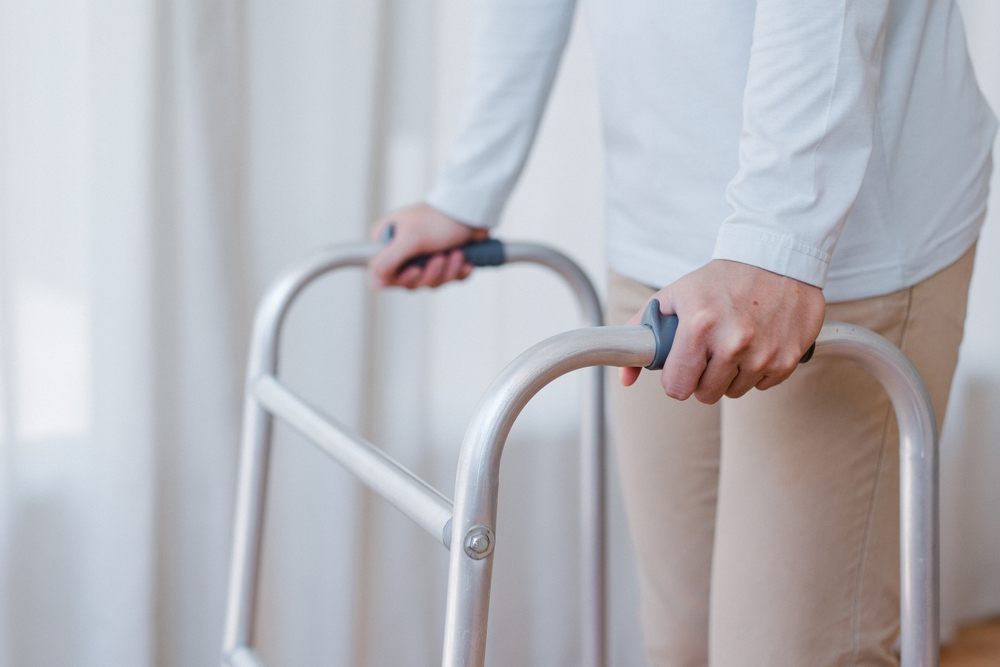
Staying safe at home becomes increasingly important for those living with mobility challenges. Whether due to age, injury, or a chronic condition, limited mobility increases the risk of accidents, especially falls. For seniors in NY and surrounding areas like Binghamton, prioritizing fall prevention is essential for maintaining independence and quality of life. This blog provides practical all prevention tips and outlines how to adapt your living space to meet your evolving needs, incorporating home safety mobility aids and solutions.
Why Fall Prevention Matters
Falls are one of the leading causes of injury among seniors, often resulting in broken bones, head trauma, or hospital stays. In many cases, these incidents are preventable with proactive adjustments. As mobility decreases, even routine movements such as getting out of bed or reaching for an object can pose significant challenges.
In regions like Binghamton, where winter conditions can further complicate mobility, it is especially crucial to reduce environmental risks. Cluttered walkways, loose rugs, poorly lit rooms, and uneven flooring become potential hazards. Recognizing these risks is the first step in crafting an effective mobility safety guide tailored to your unique needs.
Additionally, many homes were not originally designed with accessibility in mind. Whether you live in a multi-story house, an apartment, or an assisted living facility, understanding how to make these environments safer is key to avoiding unnecessary falls and injuries.
Home Accessibility Tips to Create a Safer Living Environment
Home accessibility is about more than just adding grab bars or installing ramps. It involves a comprehensive evaluation of every area you use regularly and making adjustments to promote ease of movement and safety.
Start with the entryways. If steps are present, install a ramp with handrails. Door thresholds should be level or equipped with gentle transitions to accommodate walkers or wheelchairs. Make sure doors are wide enough to allow comfortable navigation, especially if you’re using mobility aids like canes or rollators.
In the bathroom, use non-slip mats and install grab bars near the toilet and inside the shower. A shower chair and handheld showerhead can also improve safety during bathing. Opt for lever-style faucets that are easier to operate with limited dexterity.
In the kitchen, rearrange frequently used items to be within reach at waist level. Avoid storing essentials in high or low cabinets that require stretching or bending. Ensure counters are free from clutter, and consider anti-fatigue mats if standing for long periods is necessary.
Lighting is another vital component of home safety. Hallways, stairs, and entry points should be well-lit with accessible light switches. Motion-sensor lights can add an extra layer of protection, especially at night.
Flooring should be even, non-slip, and free from trip hazards like loose rugs or exposed cords. Replace worn carpeting or broken tiles. Consider using contrasting colors for transitions between rooms to help with depth perception and orientation.
Everyday Habits That Promote Mobility Safety
Home safety is not only about physical modifications but also about consistent, mindful habits. Establishing daily routines that reinforce safe behaviors can prevent accidents and build confidence in moving around.
Always wear well-fitting, non-slip footwear indoors. Socks alone can increase the risk of slipping. Take your time moving from one room to another, using mobility aids as prescribed by your healthcare provider. Rushing can lead to missteps or loss of balance.
Make it a habit to keep commonly used items, such as phones, glasses, and medications, within arm’s reach. Avoid standing on chairs or reaching for overhead objects without assistance. Instead, ask for help or use a reacher grabber tool.
Stay hydrated and nourished, as dehydration or poor nutrition can lead to dizziness or fatigue, which heightens fall risk. If you’re taking medications, know their side effects and consult your doctor about any that may cause drowsiness or disorientation.
Engage in appropriate physical activity tailored to your abilities. Chair yoga, water aerobics, or physical therapy exercises can help maintain muscle tone and balance. Work with a professional who understands mobility challenges to develop a personalized program.
Regular check-ins with healthcare providers also play a key role in mobility safety. Vision and hearing exams, medication reviews, and mobility assessments ensure that your needs are being met with the right support and tools.
Utilizing Home Safety Mobility Aids Effectively
Mobility aids are a critical part of maintaining independence and safety at home. These tools include walkers, canes, wheelchairs, transfer benches, and stair lifts. Using them properly can prevent falls and provide a sense of security in daily activities.
Selecting the right aid depends on your specific needs. For example, a cane may suffice for minor balance issues, while a walker offers more support. Be sure to have the device fitted and adjusted by a professional to ensure it matches your height and gait.
Walkers with built-in seats can be especially helpful, providing a place to rest during extended movement. Wheelchairs should be equipped with locks and footrests, and pathways in the home must accommodate their turning radius.
Stair lifts or platform lifts can make multi-story homes more accessible. In homes without elevators, these tools allow individuals to continue living independently while accessing all levels safely.
Transfer aids like sliding boards and bed rails support safe transitions from one position to another, such as getting in and out of bed or transferring from a wheelchair to a toilet.
While these tools offer significant benefits, proper training and maintenance are essential. Misusing mobility aids can create new risks. Take the time to learn how to use them confidently and keep them in good working condition.
Community Resources and Support in NY and Binghamton
Accessing the right resources can make all the difference for seniors and those with mobility challenges. In Binghamton and across NY, several community programs are designed to support safe living at home.
Local senior centers, occupational therapists, and home health agencies offer evaluations to identify areas of improvement within your living space. They can recommend practical modifications and connect you with qualified professionals to carry them out.
The New York State Office for the Aging provides assistance with home accessibility upgrades, mobility safety guide resources, and caregiver support services. These programs often include financial aid or cost-sharing options for eligible residents.
Additionally, non-profit organizations like Rebuilding Together and Habitat for Humanity have local branches that help low-income individuals with home repairs and safety modifications. Contacting your local Area Agency on Aging can help you access these services efficiently.
Binghamton University’s physical therapy and occupational therapy programs occasionally offer community workshops, screenings, and student-led assistance programs aimed at enhancing home safety and wellness for residents with limited mobility.
Technology can also provide peace of mind. Emergency response systems, fall detection devices, and smart home tools like voice-activated assistants or video doorbells improve safety and convenience. Many of these tools are available through senior services or local health organizations.
Conclusion
For those facing mobility challenges, safety at home is a daily priority. By implementing comprehensive fall prevention strategies and everyday hacks, you can create an environment that supports independence and well-being. From evaluating home accessibility tips to incorporating home safety mobility aids, each step makes a tangible difference.
Whether you’re a senior in NY, a caregiver in Binghamton, or someone adapting to new physical limitations, these all prevention tips can help you live more safely and confidently. Proactive adjustments, community resources, and mindful habits come together to form a strong foundation for aging in place with dignity and security.
Need Home Medical Equipment In Binghamton, NY?
Penn York Medical is a local healthcare medical equipment shop located in Binghamton, New York since 1957. For over 44 years, we have been selling a wide selection of healthcare products, along with installing and repairing our equipment to ensure you’re always getting the best. We offer walkers, wheelchairs, hospital beds, vehicle mobility assistants, scooters, stairway lifts, motorized wheelchairs, lift chairs, and much more! Call us today and let us find an affordable solution for your home medical needs.